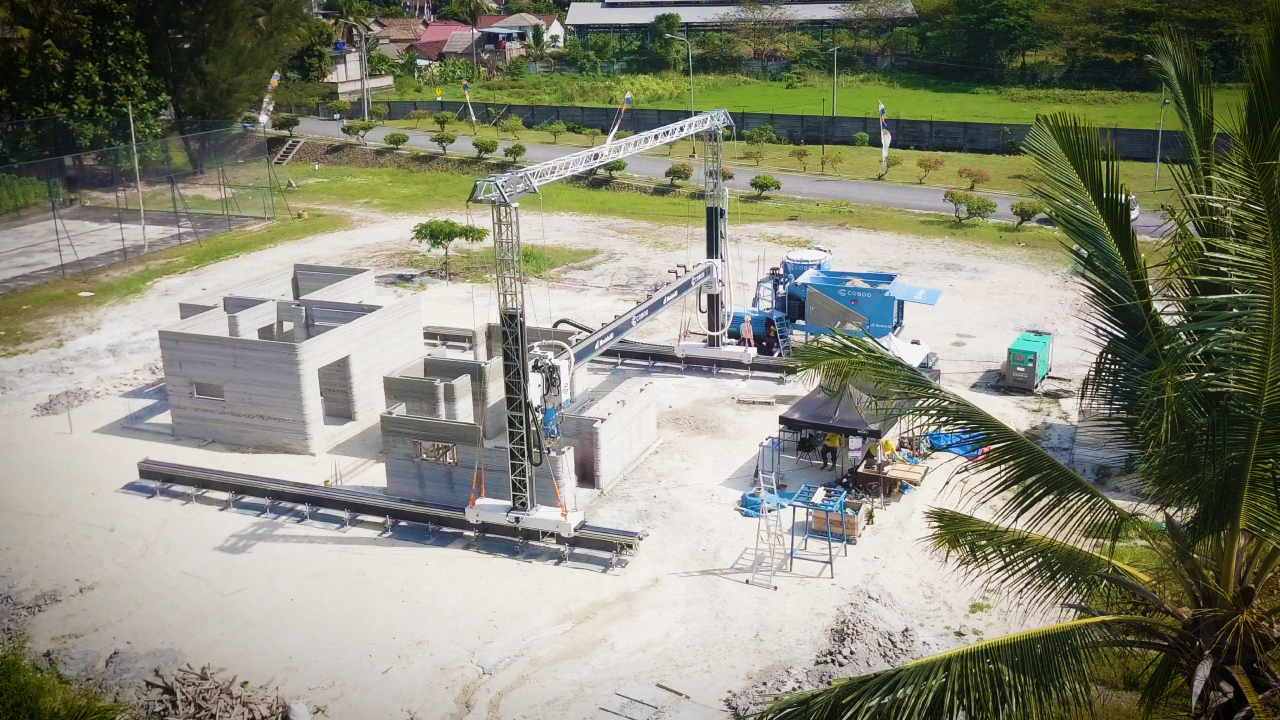
The Development of COBOD BOD3 3D Construction Printer
We sat down with Jonathan Riise, Head of R&D at COBOD and the lead developer behind the newly launched BOD3 3D Construction Printer, to hear the journey behind its development, his personal favorite feature, and why the BOD3 is ideal for 3D printing homes.
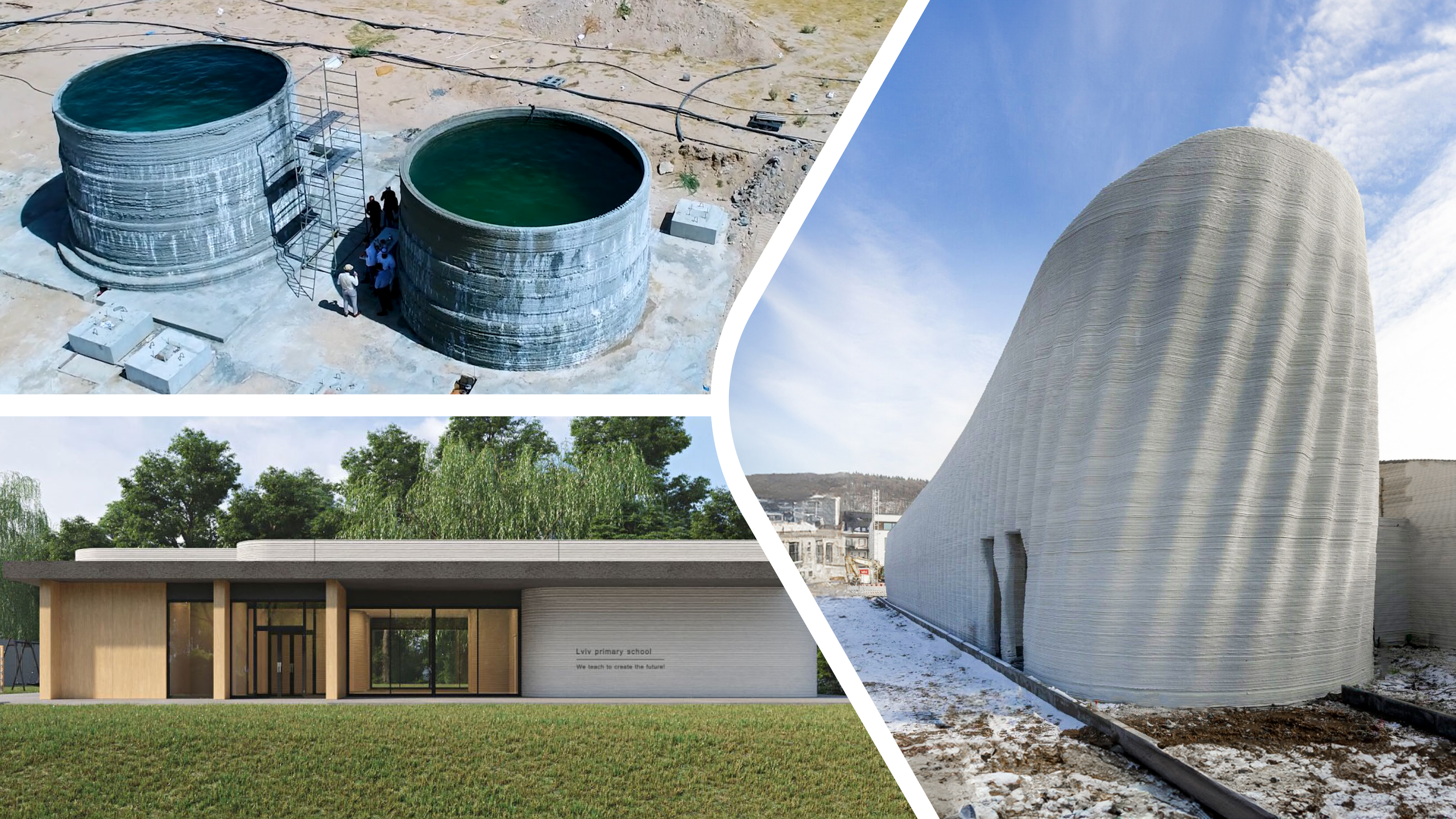
Why use 3D Construction Printing for Infrastructure, Offices, and Utility Buildings?
The world is becoming increasingly urbanized, with the UN projecting that by 2050, around 66% of the global population will live in cities. This rapid urbanization is driving demand for residential and social housing, as well as the expansion of infrastructures and office and utility buildings to accommodate the growing population.
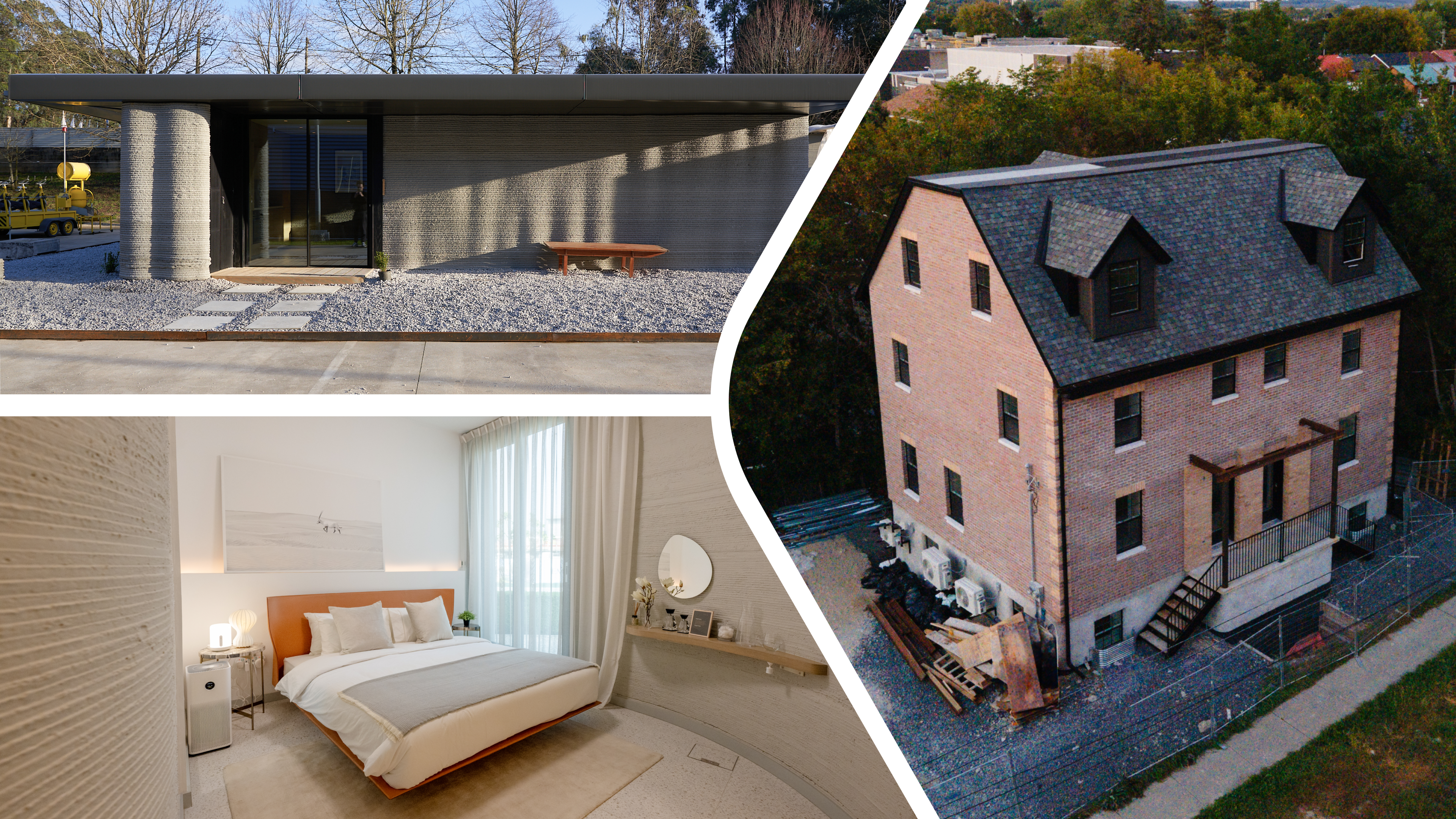
Why use 3D Construction Printing for Residential and Social Housing Projects?
Meeting the global demand for affordable housing is a significant challenge. This article examines how 3D construction printing (3DCP) can be effectively applied to residential and social housing projects. By looking at real-world examples, it highlights the benefits of 3DCP, including faster construction times, cost-efficiency, and design flexibility.
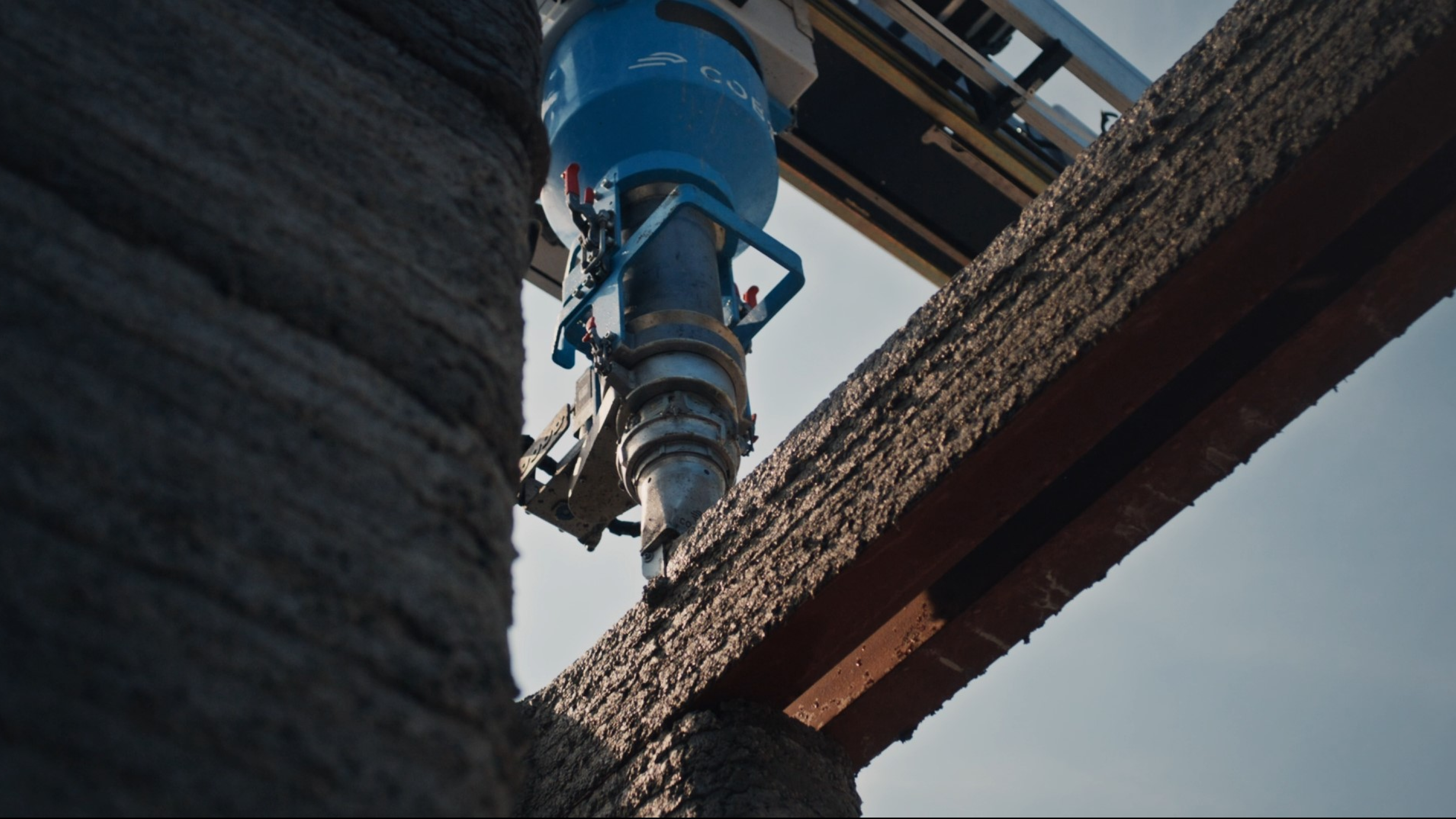
Application Areas of 3D Construction Printing
3D construction printing is gaining ground worldwide, with more successful projects earning recognition every year. But to really get it, you need to know which kinds of projects benefit most from the technology.
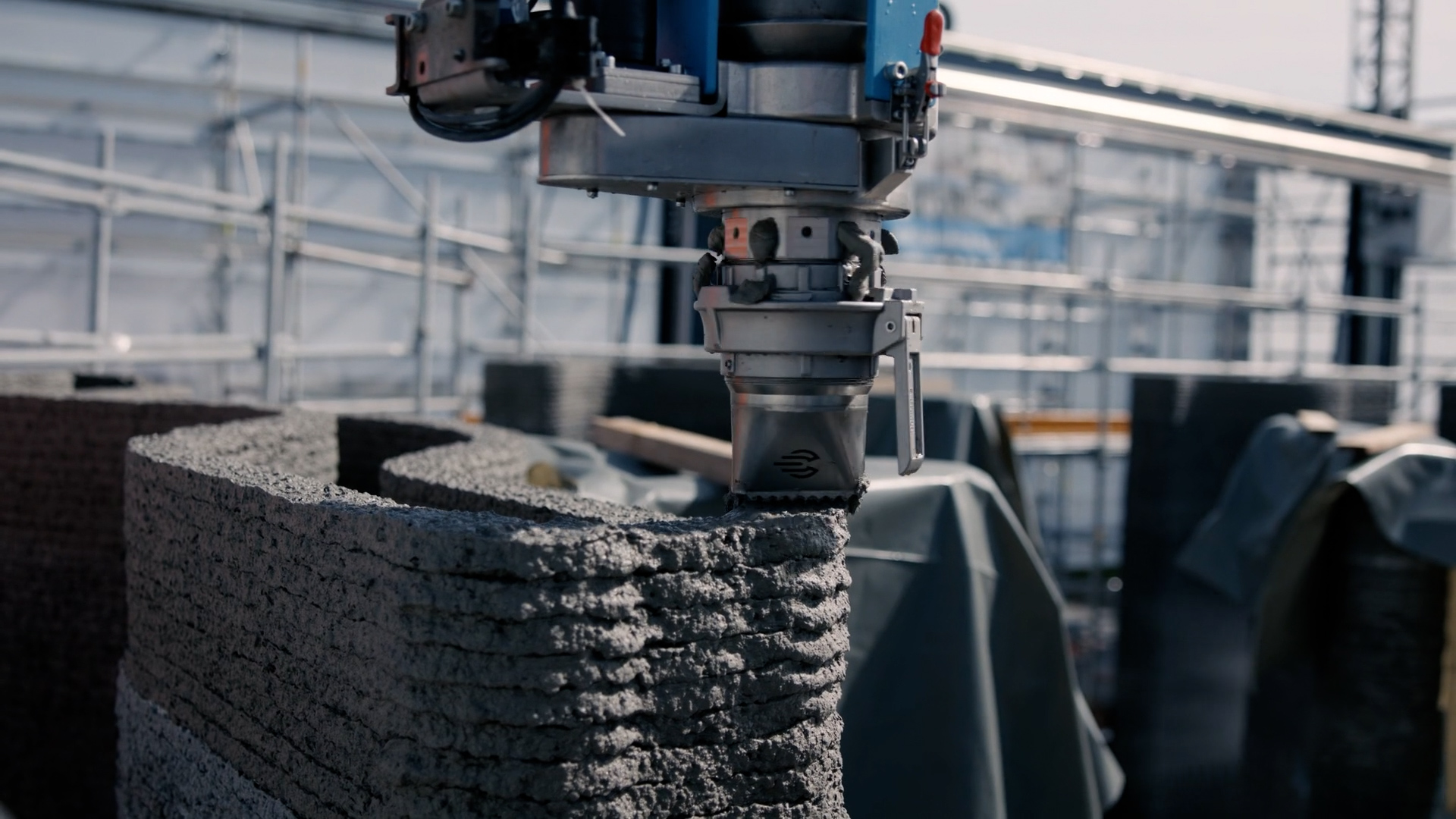
What is 3D Construction Printing?
3D Construction Printing, in short, 3DCP, can innovate construction and bring about a positive change. But what is it, how does it work, and what are the advantages?
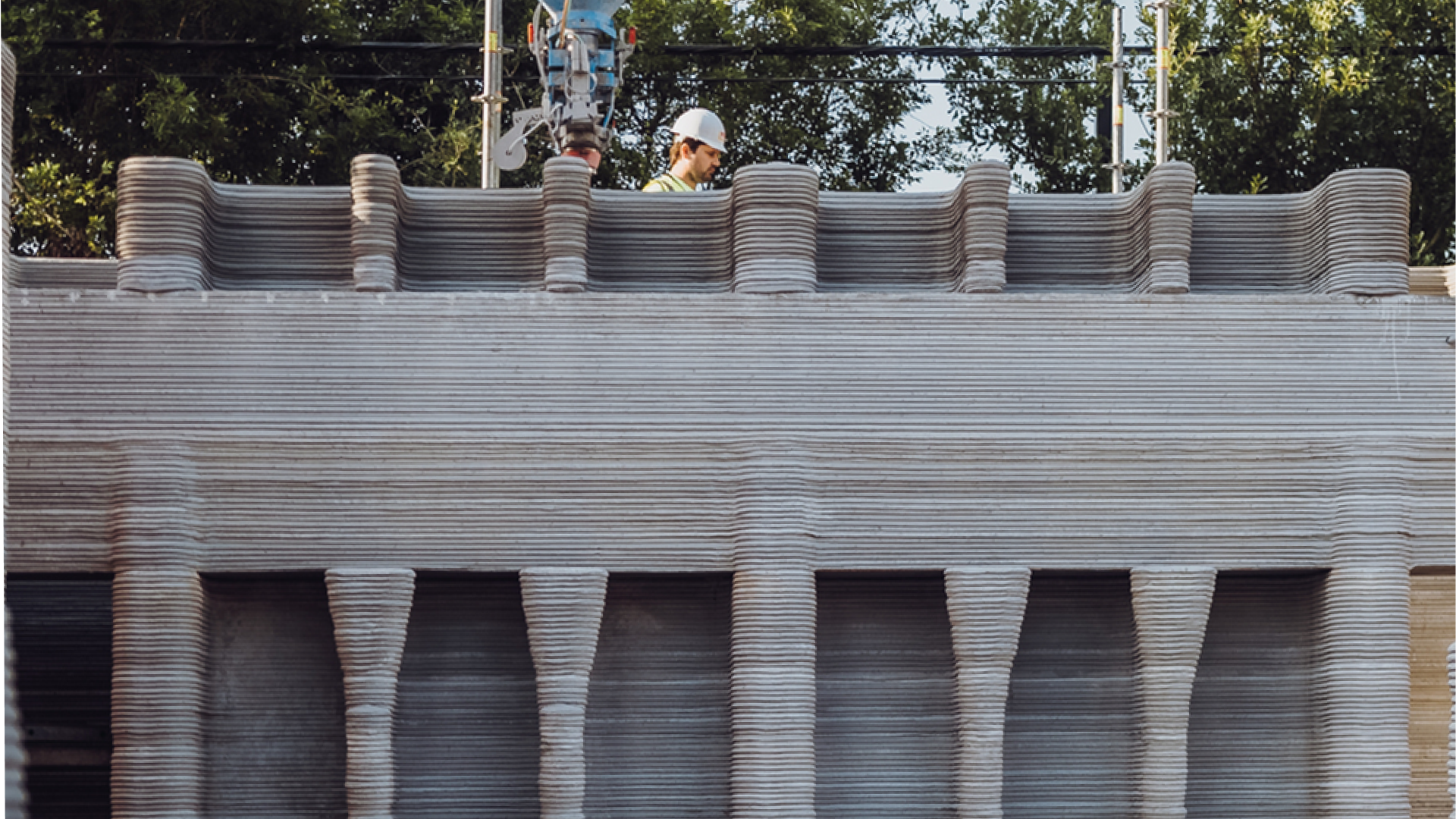
Architects — You Design the Future
From the Pyramids of Giza to the Eiffel Tower to the flowing curves of the Guggenheim, architects have always pushed the boundaries of design, each icon starting with one bold vision. Now, 3D construction printing (3DCP) lets that creativity reach new heights.