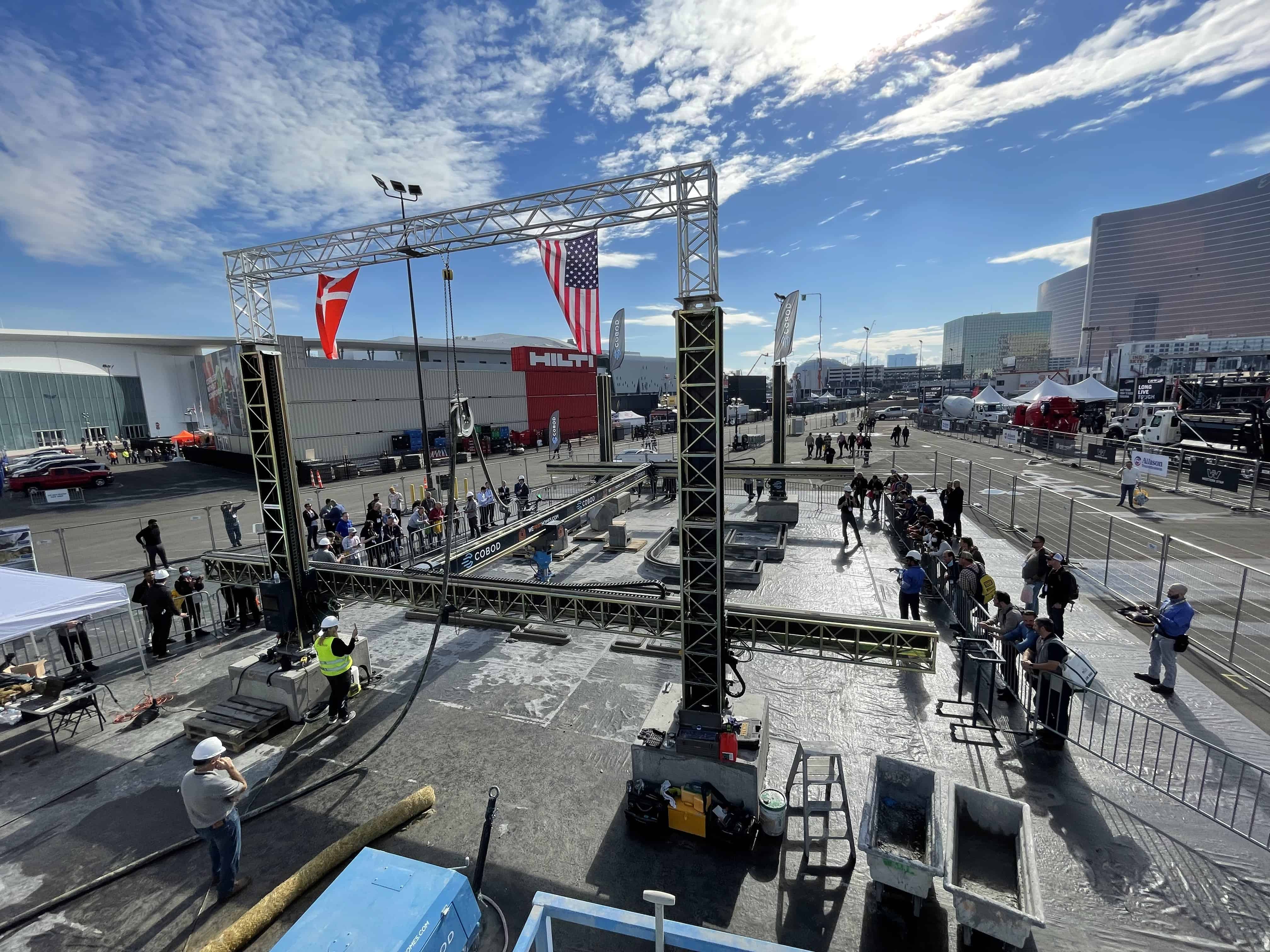
New Construction Technologies and Their Differences
New construction technology is making it possible to build houses that are more efficient, more sustainable, and produced faster and under safer conditions. What once sounded like science fiction is now taking shape on real building sites.
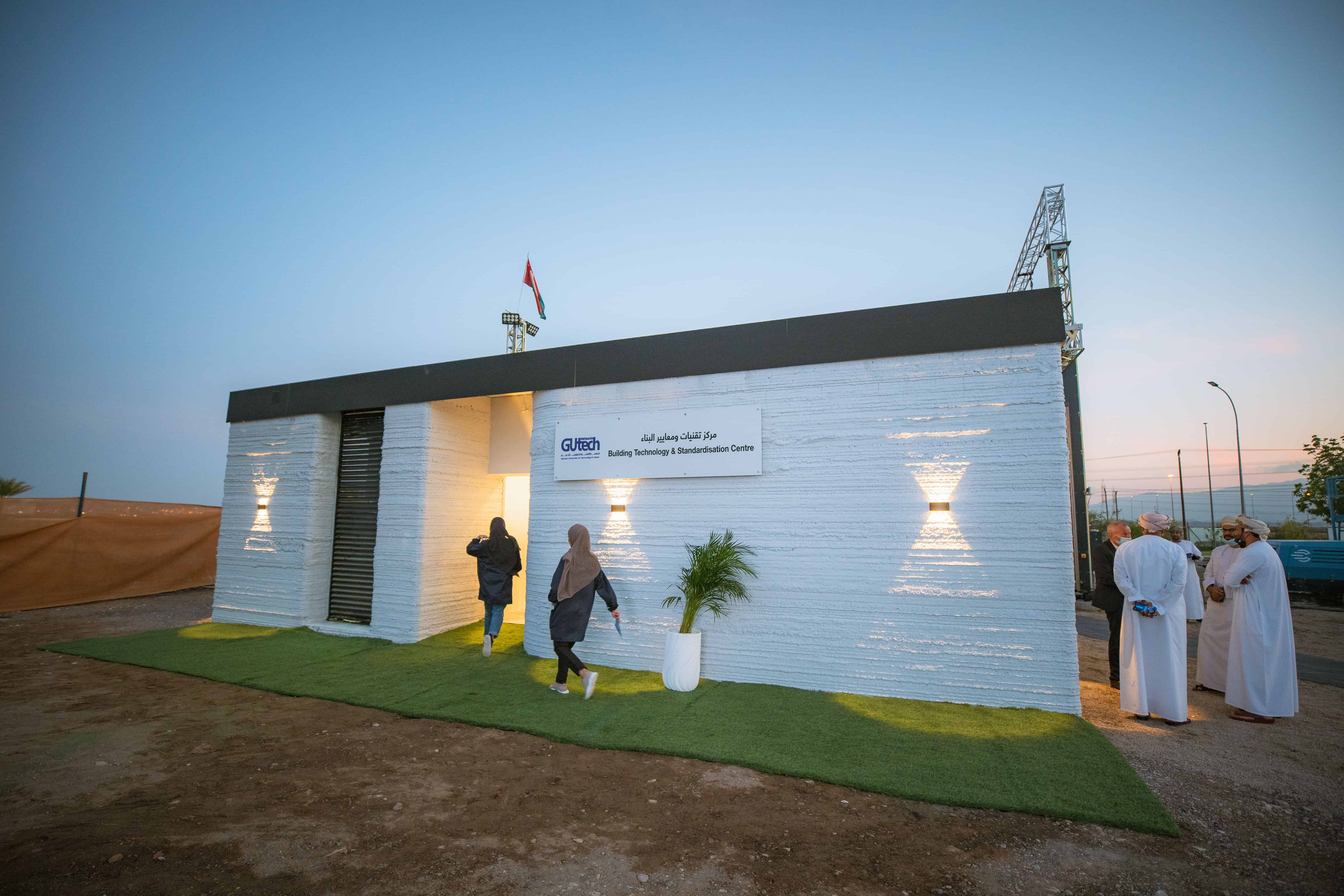
What are the Differences Between 3D Printed Houses and Traditional Houses?
3D printed houses are faster to build, often more affordable, and open up new freedom in design, while traditional methods stay reliable through years of proven use. In our view, though, 3D printing comes out ahead.
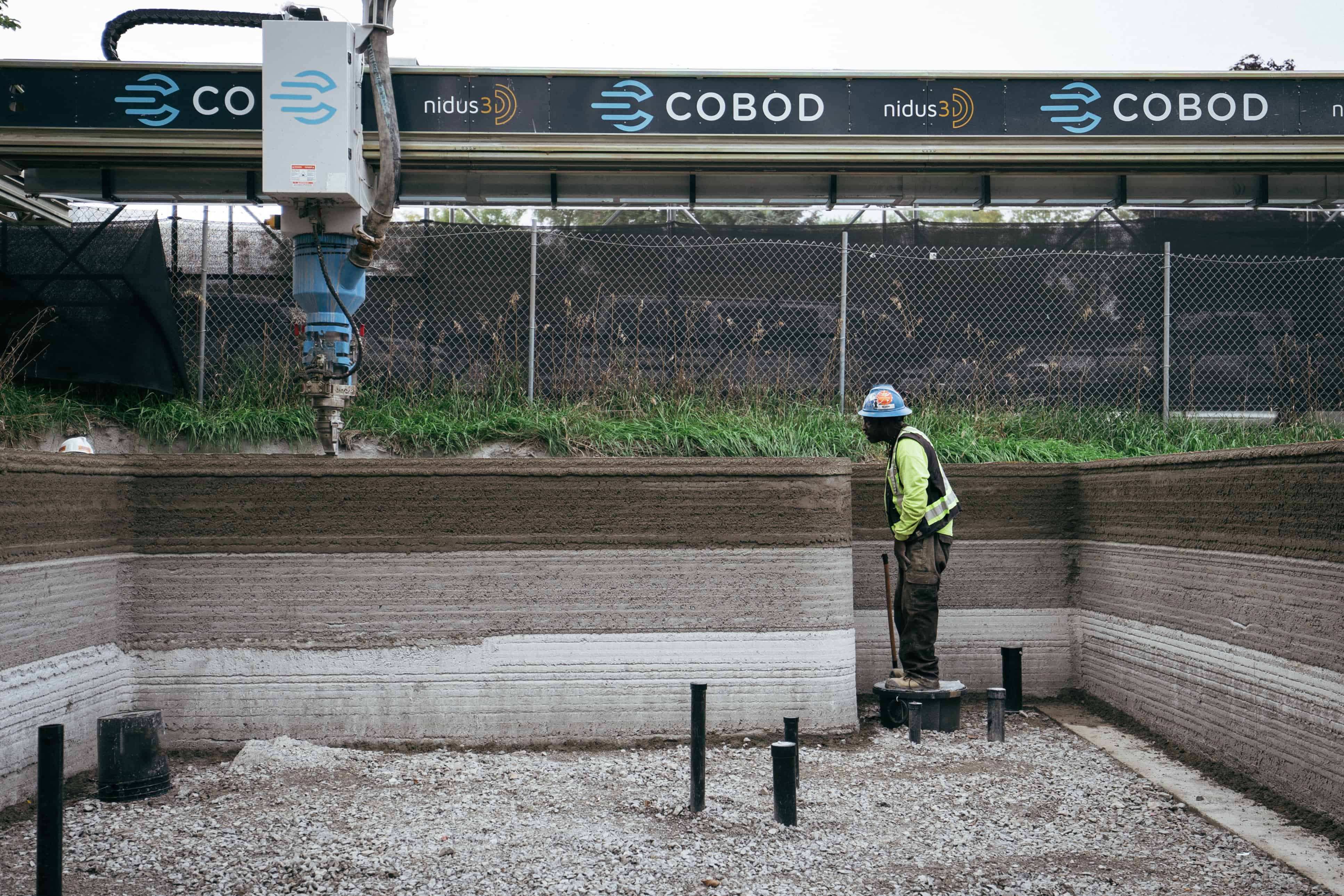
Architecture and Engineering in 3D Construction Printing
3D construction printing (3DCP) may be a new way to build, but architects and engineers remain just as essential to getting a project right. Their expertise is what turns a printed structure into a safe, livable building.
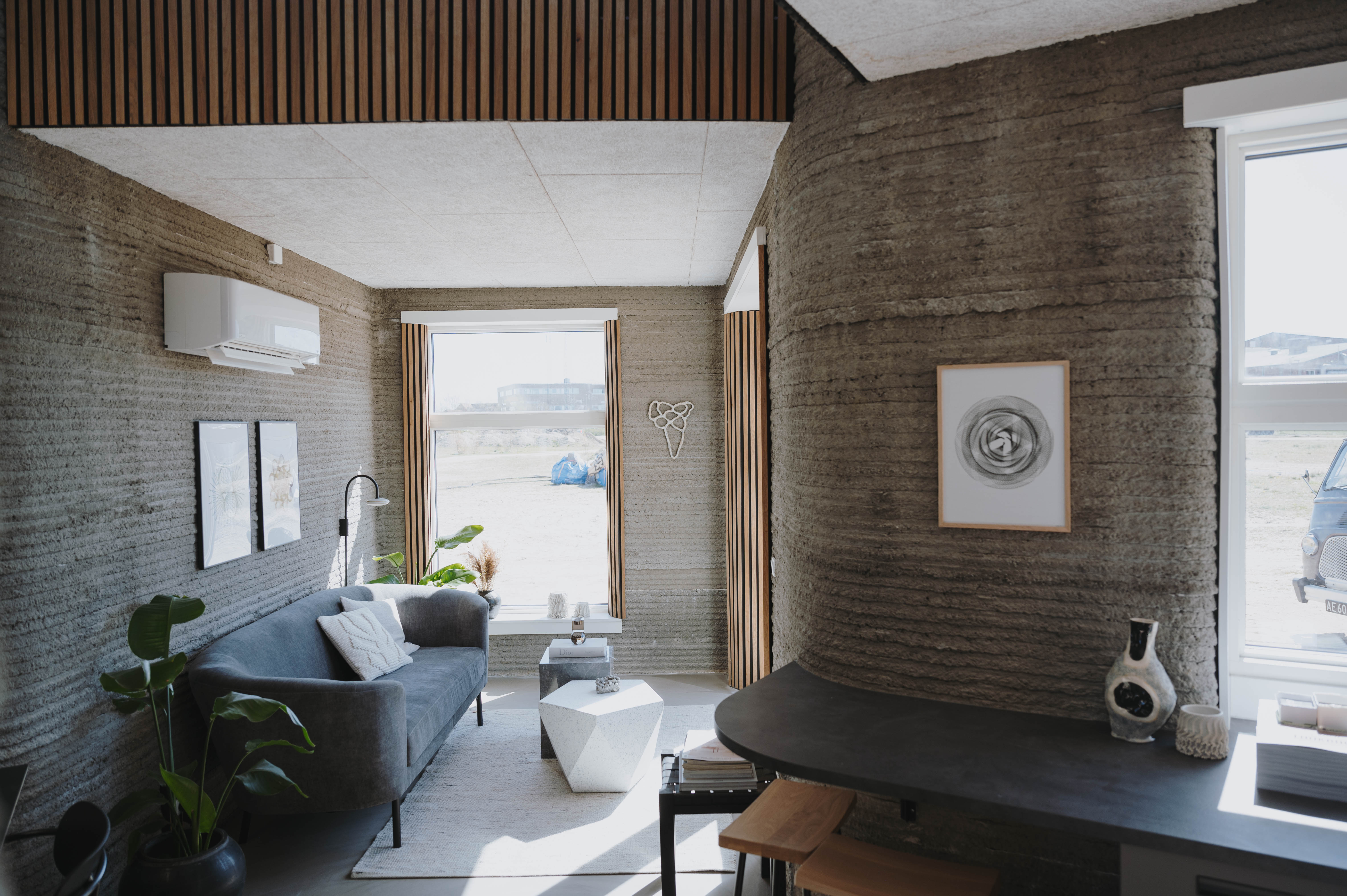
Explore Designs and Interiors of 3D Printed Houses
3D concrete printing has taken off fast, unlocking complex shapes and designs that were once impossible to build. Explore the new possibilities it opens up, and step inside a printed home with our interactive videos.
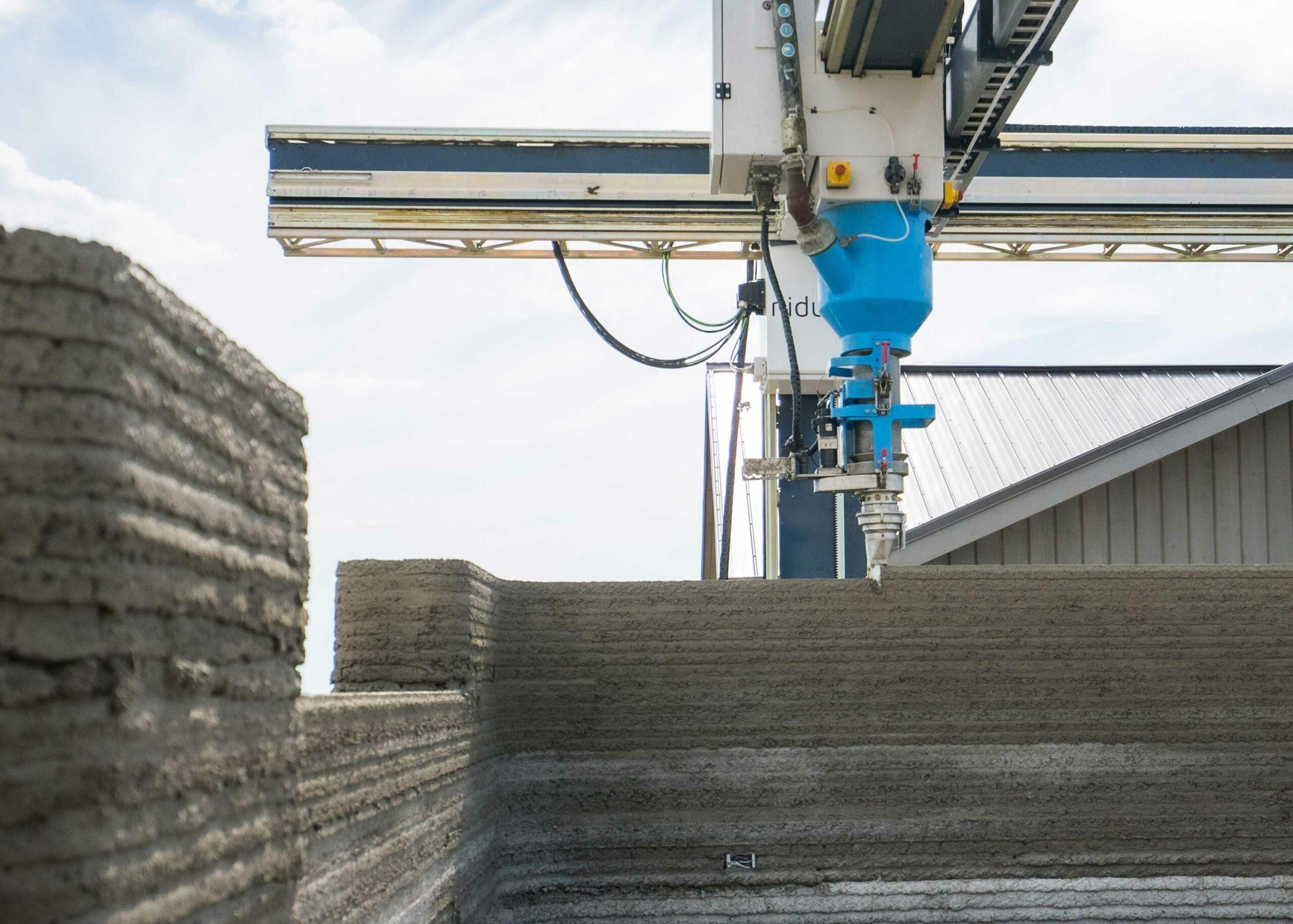
What materials are 3D printed houses made of?
With 3D printed houses now on every continent, the question of what they’re actually made of has never been more relevant. From the most common materials to the latest innovations, here’s what really goes into a printed home.
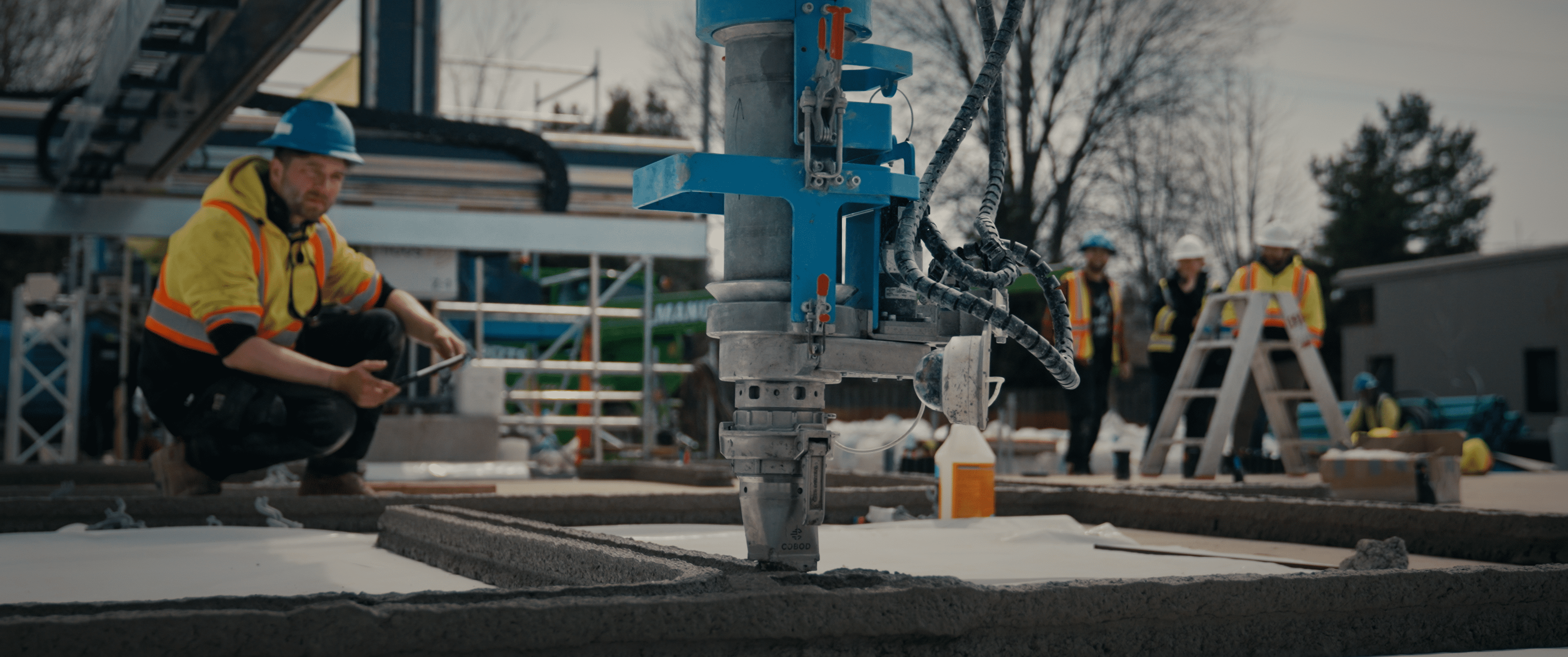
3D construction printing vs Additive Manufacturing: Is there a difference?
To many people, additive manufacturing (AM) and 3D construction printing (3DCP) are completely different concepts. However, there is no distinction between the terms additive manufacturing and 3D construction printing. On the contrary, both terms refer to the same technology.